Bread and Games—But What Are We For?
“What do you do?”
The question asks about work, but its answer often becomes a person. Hunter, farmer, potter, weaver, factory hand, manager, translator, programmer: each name describes a useful activity and offers a place among other people. Work fills the stores, pays the rent, marks the hours, and returns an identity to the person performing it.
Across thousands of years, the arrangement changes. Food becomes grain, grain becomes wages, wages become careers, and careers become promises of progress. New tools enlarge what one person can accomplish. New institutions decide which accomplishments matter. Around every fire, field, temple, factory, office, and glowing screen, people learn how to be needed.
Then comes 2026. Machines begin performing activities that required a human career only the year before. Bread may still reach the table. The games may never end. But the old introduction—I am the person who does this—no longer settles the question.
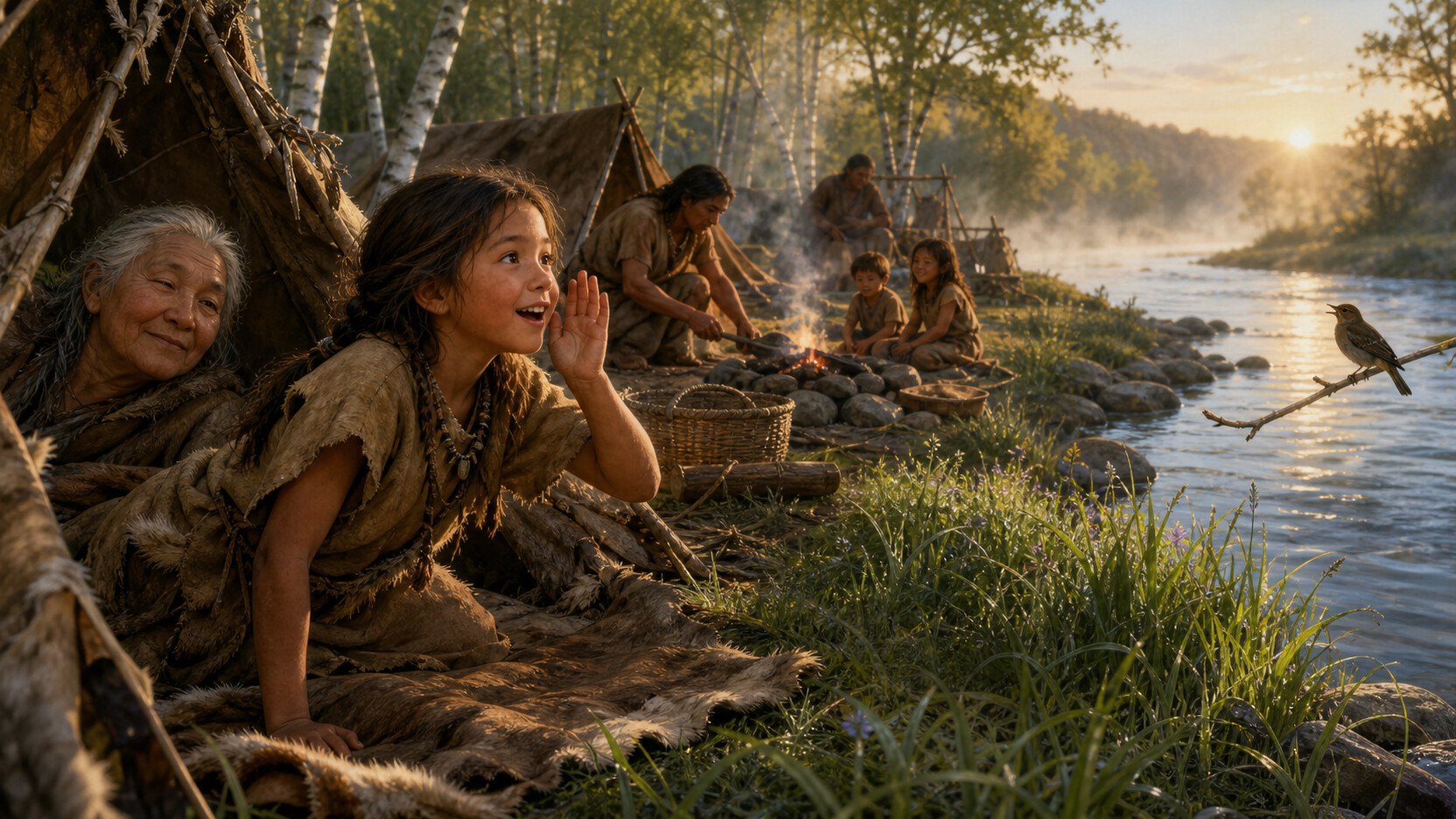 The Fire Belonged to Everyone
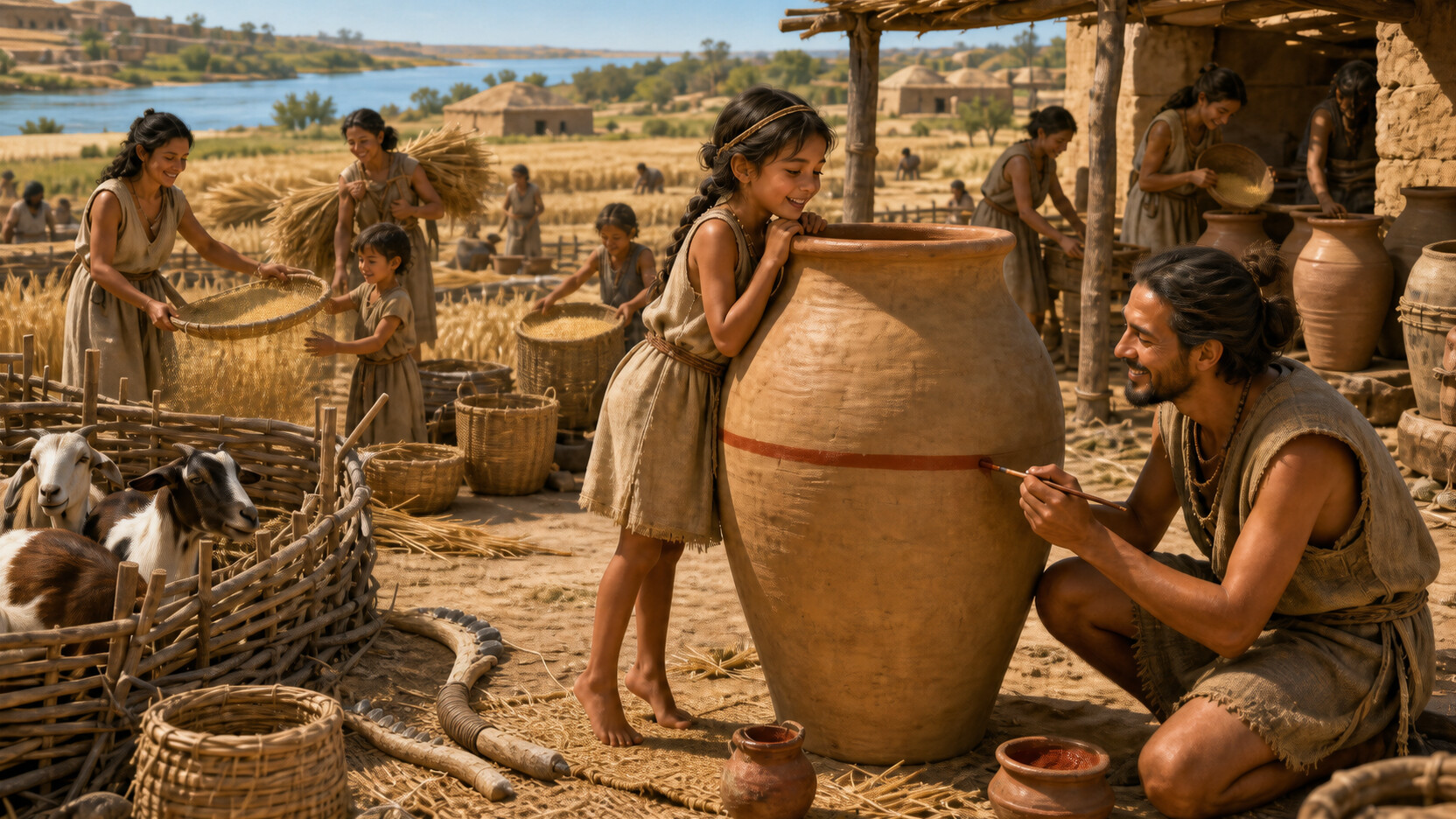 The Grain That Could Be Counted
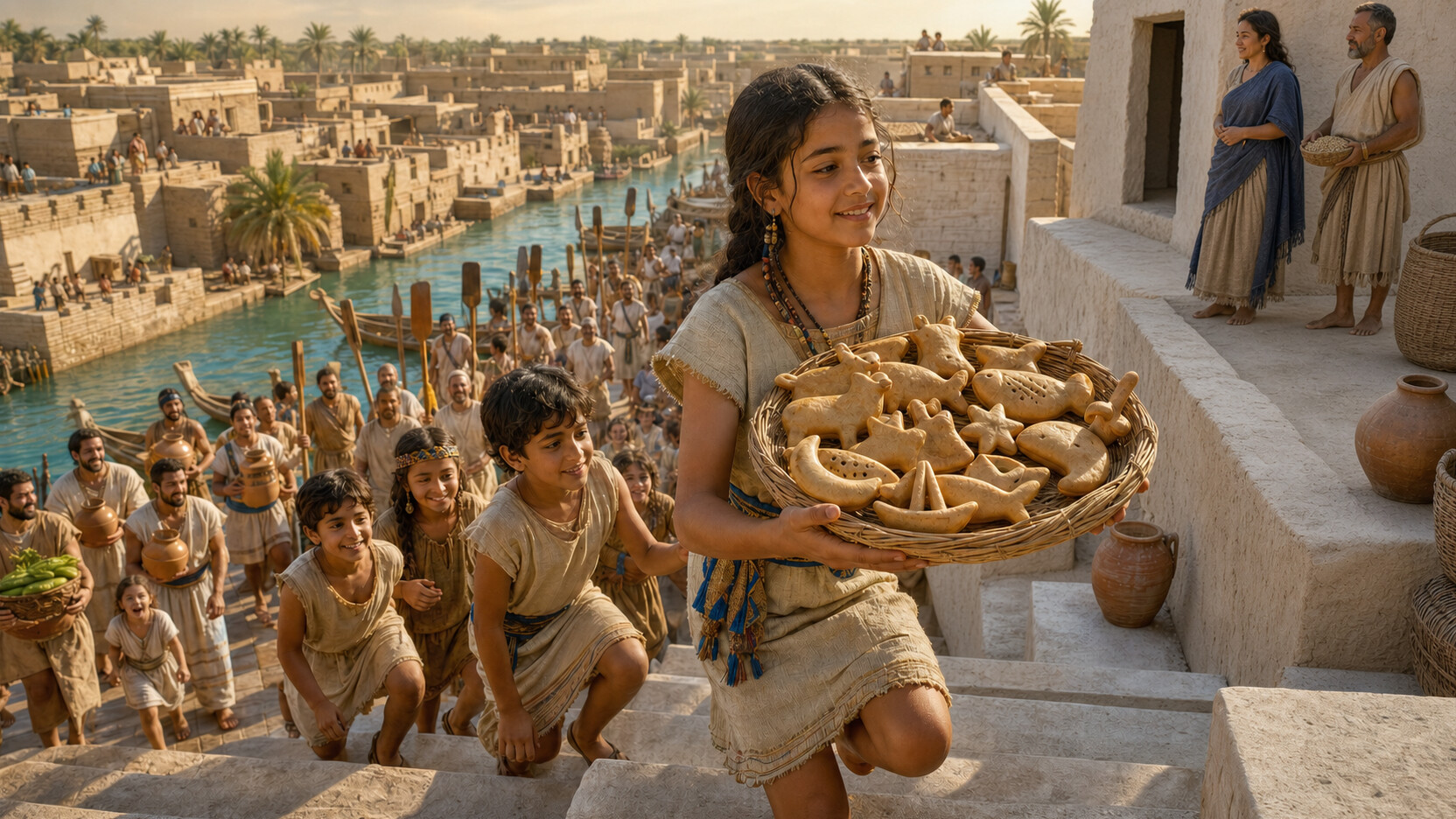 A Place Beneath the Gods
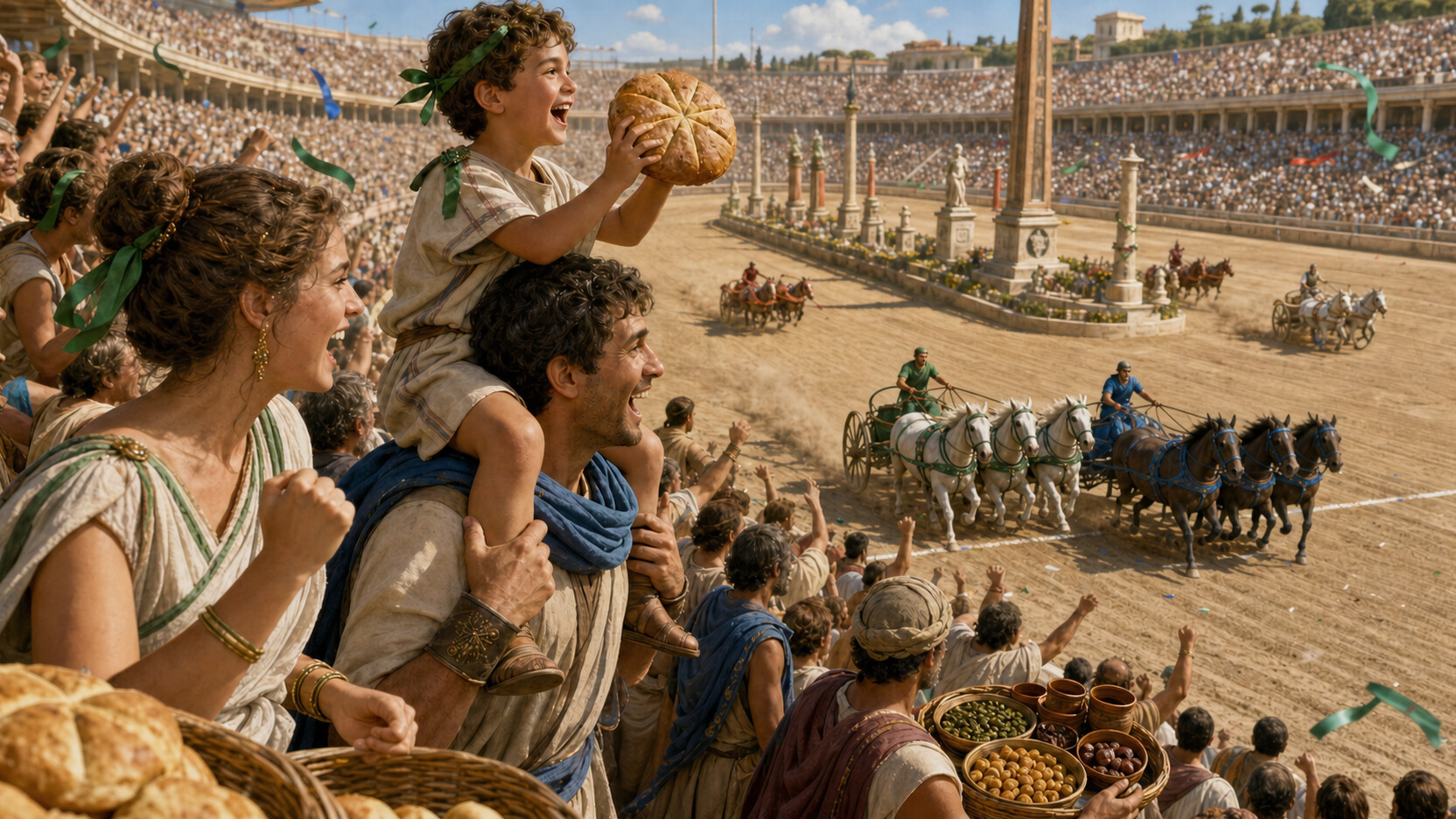 Bread and Games
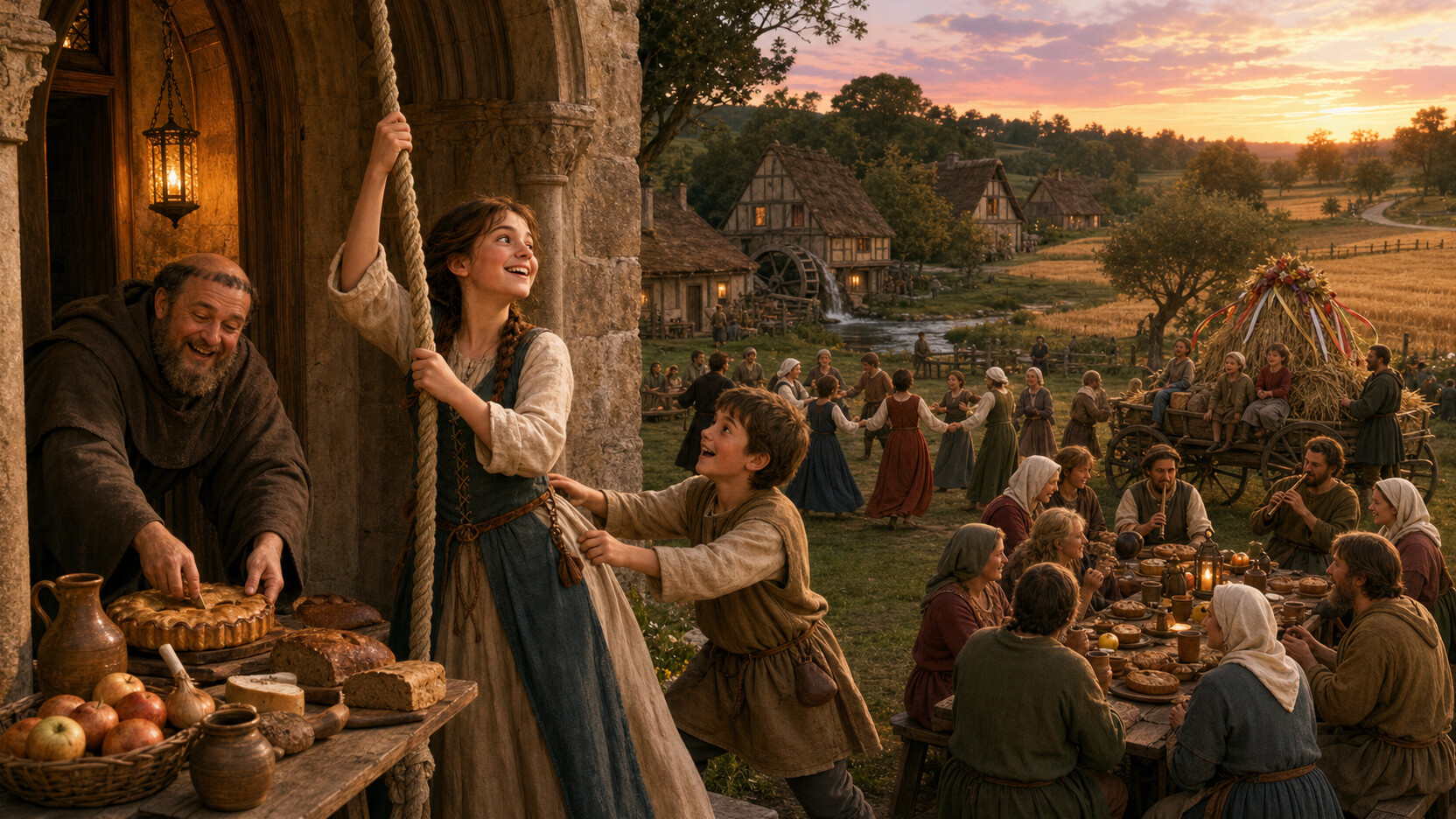 The Bell, the Field, and Heaven
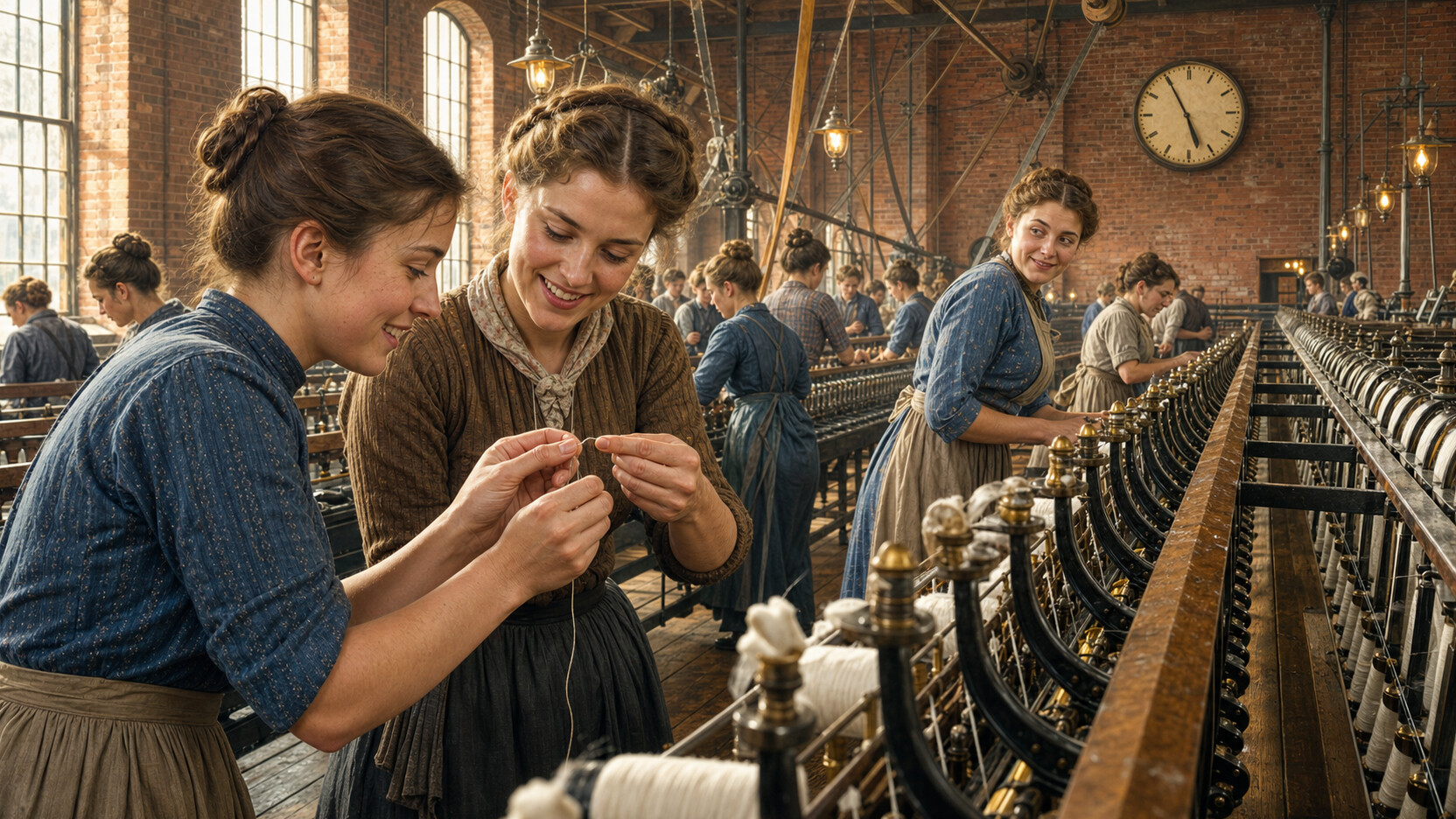 When the Clock Entered the Body
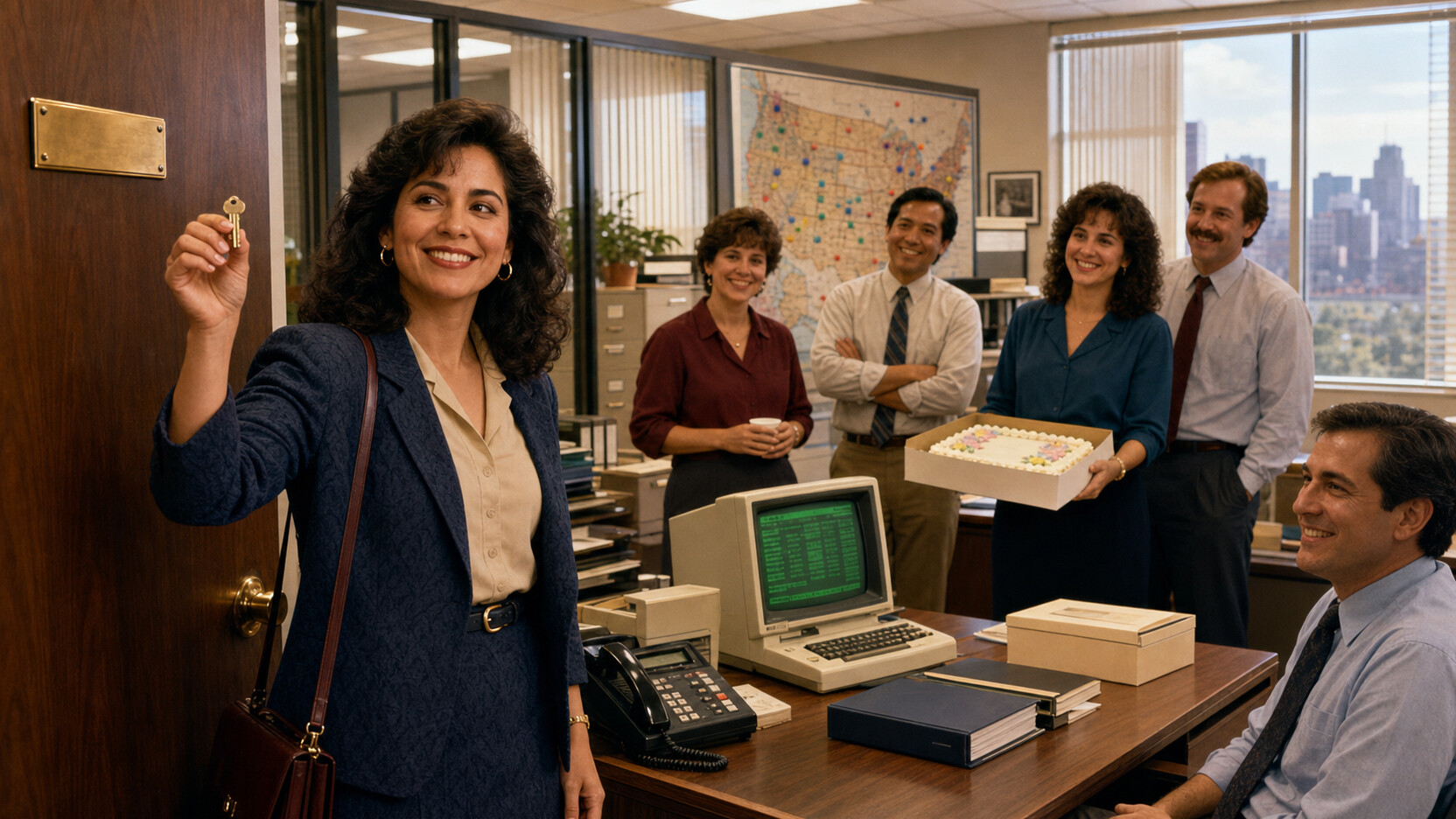 The Career and the Good Life
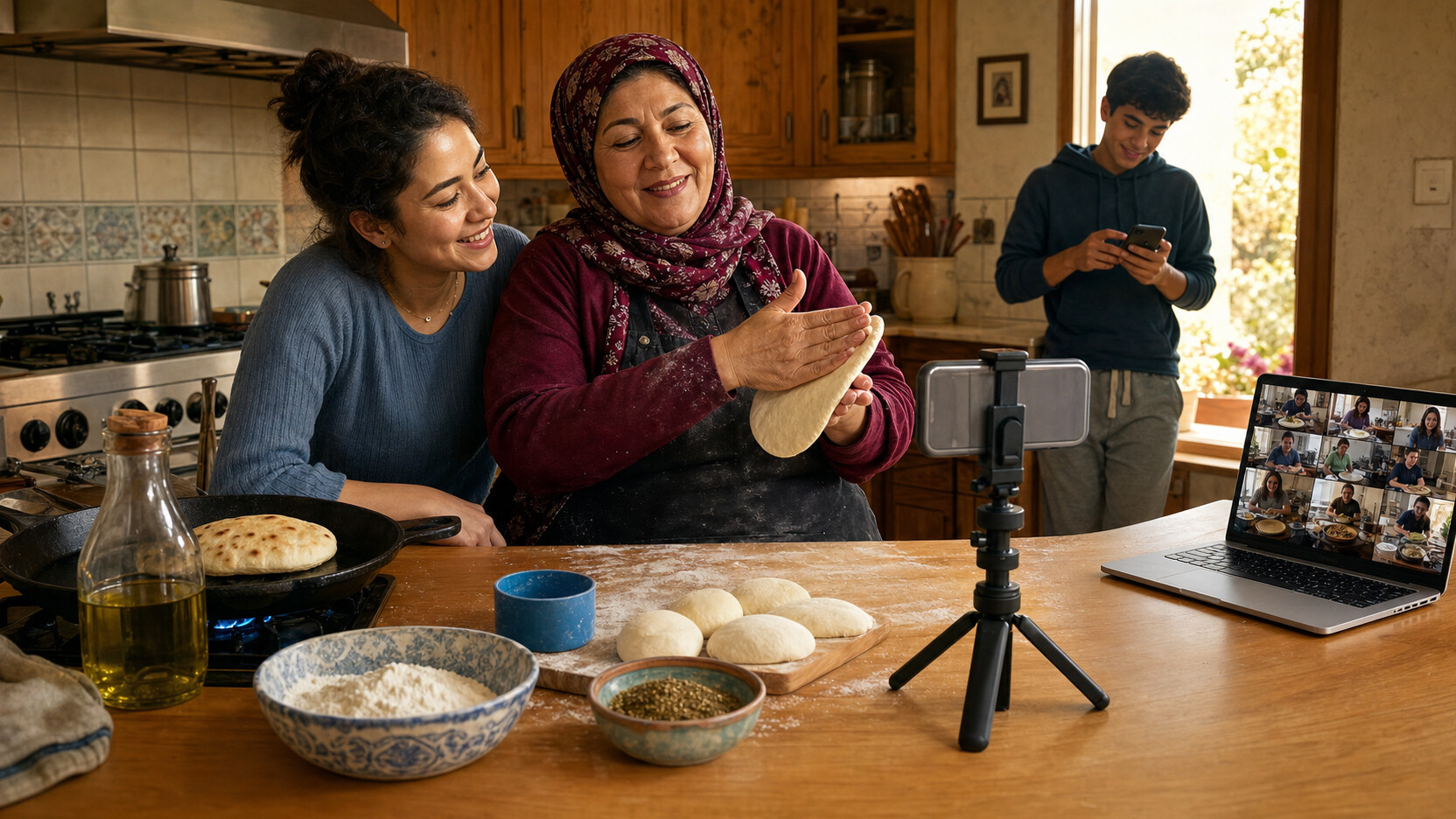 Everyone in the Arena
 2026: What If We Are Not Needed?